
China has established itself as the world’s largest manufacturing and wholesale hub, supplying products to businesses in almost every industry. From consumer goods and electronics to medical disposables, home décor, fashion accessories, machinery, and packaging materials, China offers an enormous variety of products at competitive factory prices.
For importers, wholesalers, retailers, distributors, and entrepreneurs, sourcing directly from China wholesale markets can significantly improve profit margins. However, successful importing requires careful planning, supplier verification, product inspection, and knowledge of international trade procedures.
This complete guide explains how to safely source high-margin products directly from China wholesale markets while minimizing risks and maximizing business opportunities.
Why Source Products Directly from China?
China is home to thousands of manufacturers and wholesale suppliers capable of producing products in bulk for global markets.
Major advantages include:
- Factory-direct pricing
- Large product selection
- High production capacity
- OEM manufacturing
- Private label services
- Product customization
- Competitive minimum order quantities
- Reliable export infrastructure
These advantages allow businesses to increase profitability while offering competitive pricing to customers.
What Are China Wholesale Markets?
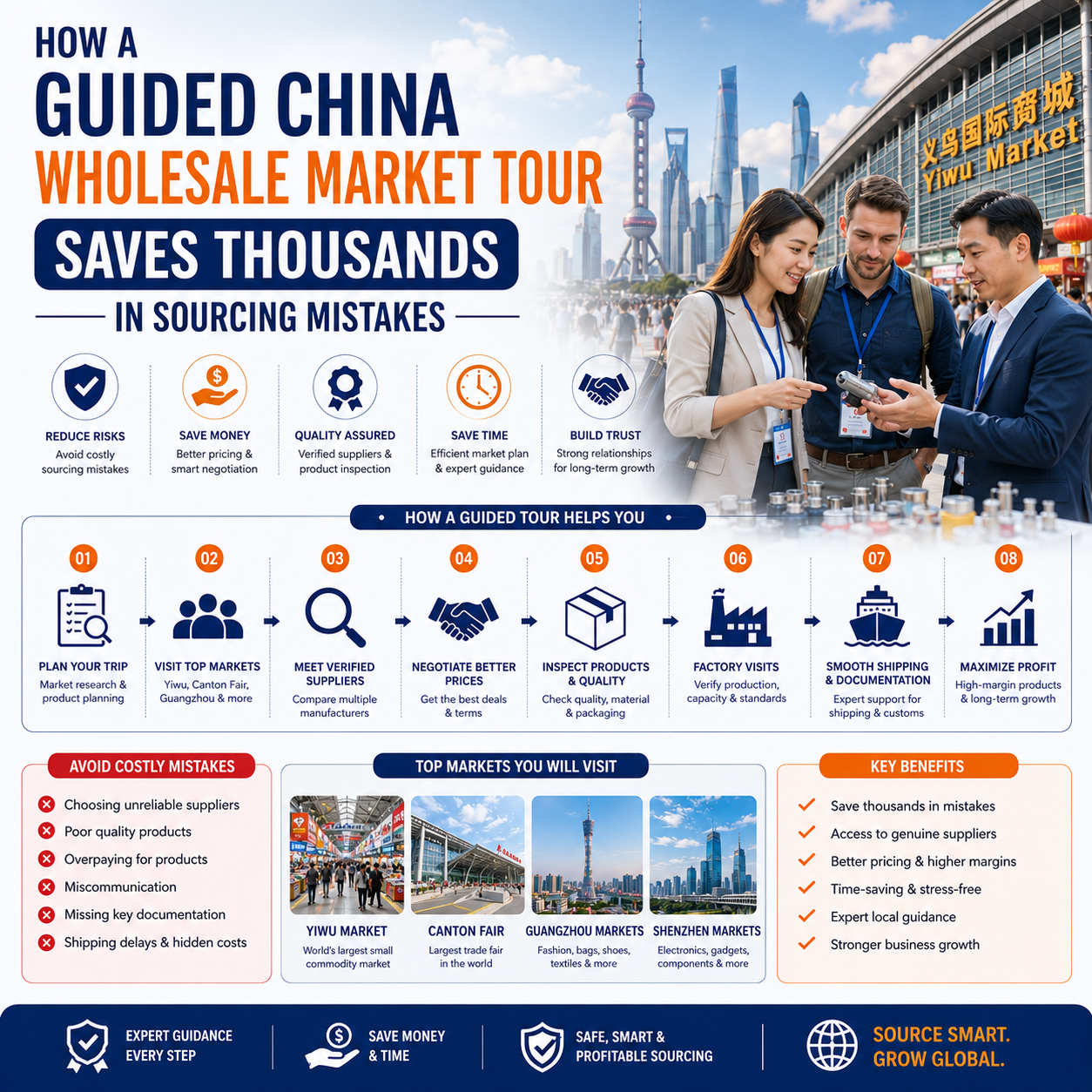
China wholesale markets are large business hubs where manufacturers, exporters, and suppliers showcase products for international buyers.
Popular buyers include:
- Importers
- Wholesalers
- Retailers
- E-commerce sellers
- Distributors
- Brand owners
- Procurement companies
These markets allow buyers to compare suppliers, negotiate prices, inspect products, and build long-term business relationships.
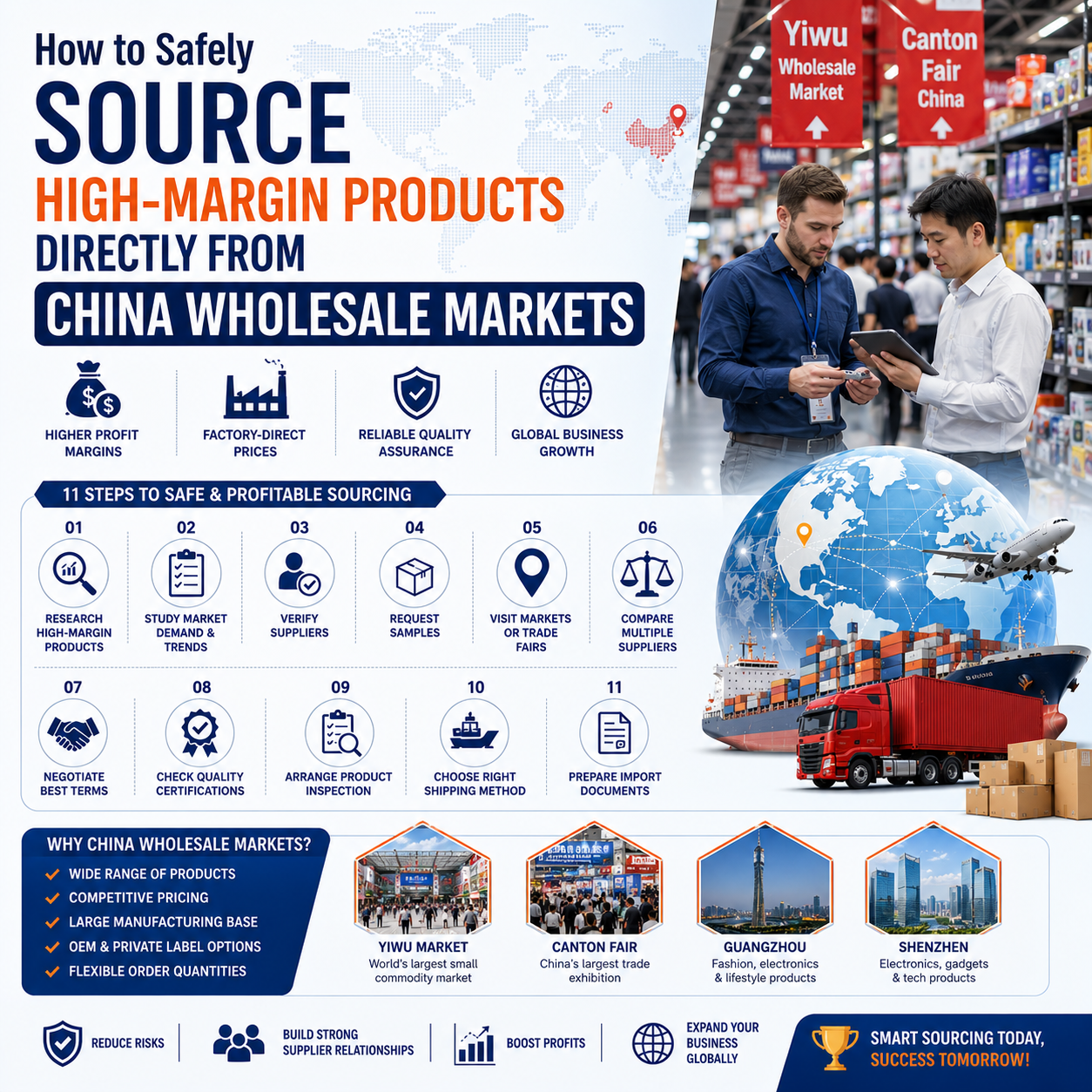
Top China Wholesale Markets for Global Buyers
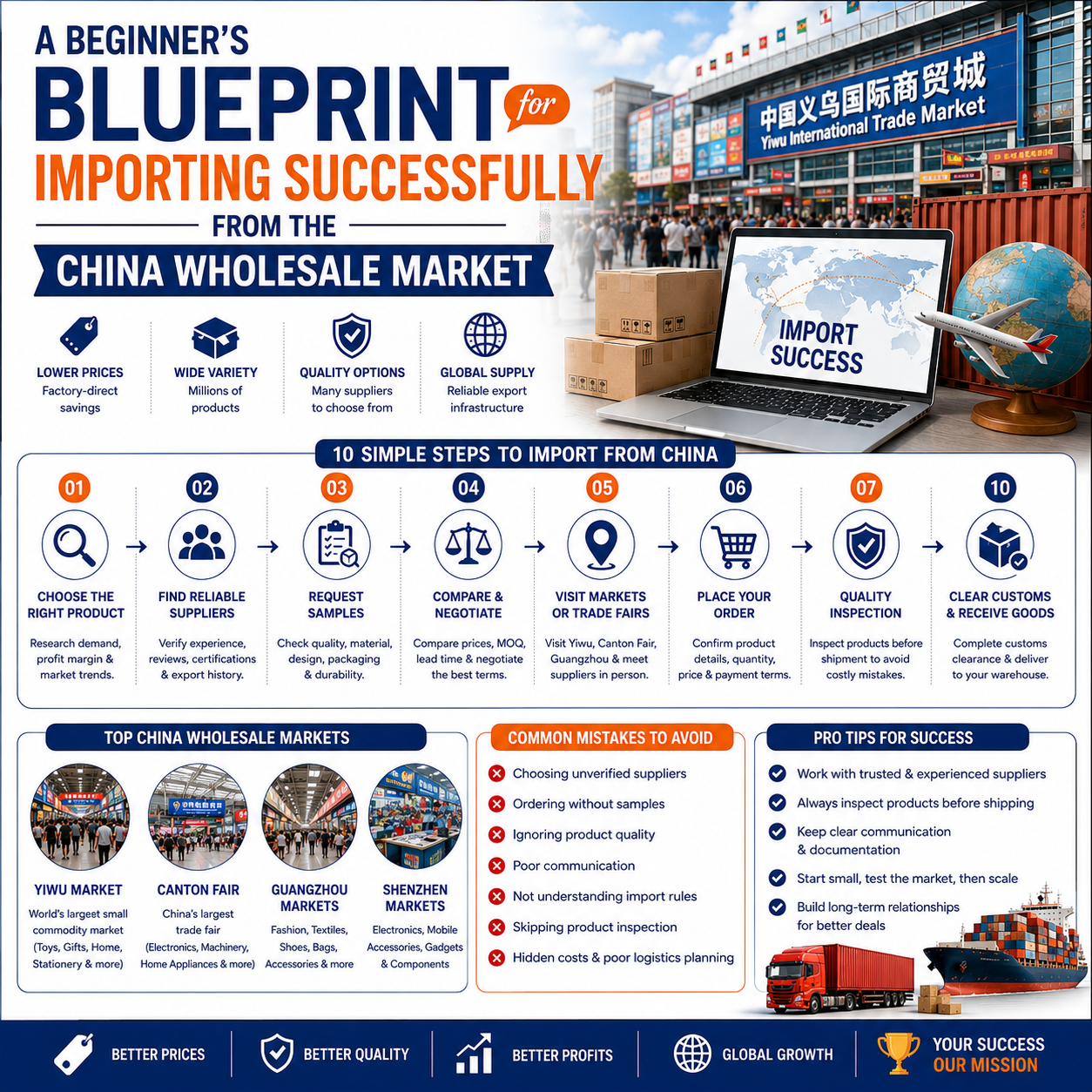
Yiwu International Trade Market
Yiwu is one of the world’s largest wholesale markets, offering millions of products across thousands of categories.
Popular categories include:
- Home & Kitchen Products
- Stationery
- Toys
- Fashion Accessories
- Gifts
- Packaging Materials
- Household Items
- Seasonal Products
Yiwu is ideal for businesses looking to purchase a wide variety of products in relatively flexible order quantities.
Canton Fair
The Canton Fair is one of the largest international trade exhibitions in the world.
It features:
- Electronics
- Machinery
- Medical Products
- Industrial Equipment
- Consumer Goods
- Home Appliances
- Furniture
- Building Materials
The fair provides direct access to verified manufacturers and exporters.
Guangzhou Wholesale Markets
Guangzhou is known for specialized wholesale markets focusing on:
- Fashion
- Textiles
- Leather Products
- Footwear
- Automotive Parts
- Electronics
Shenzhen Markets
Shenzhen is globally recognized for:
- Consumer Electronics
- Smart Devices
- Computer Accessories
- Mobile Accessories
- LED Products
- Technology Components
Step 1: Identify High-Margin Product Opportunities
Before sourcing, research products with strong market demand and healthy profit margins.
Consider:
- Consumer demand
- Competition
- Import regulations
- Shipping costs
- Product quality
- Seasonal demand
- Market trends
Examples of profitable categories include:
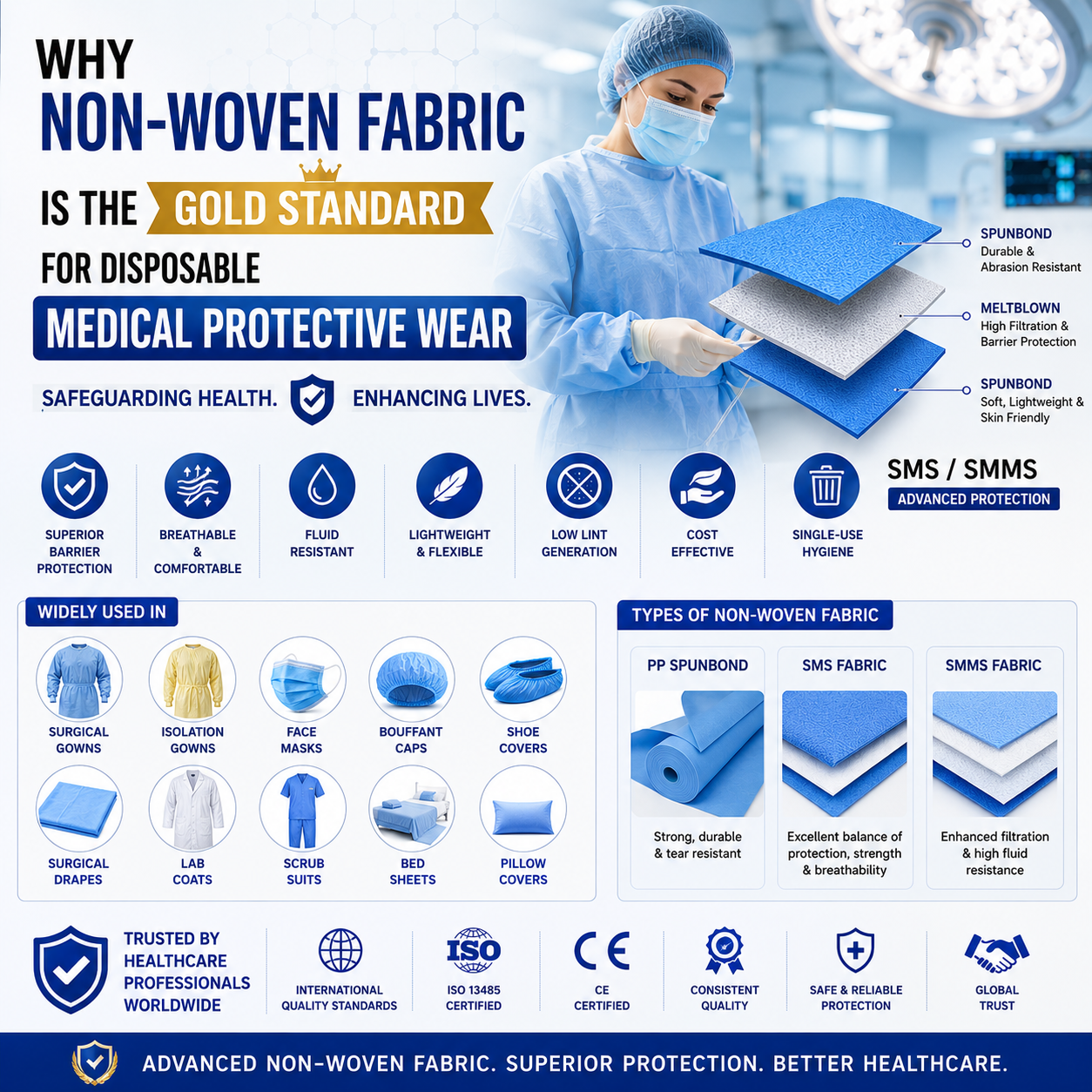
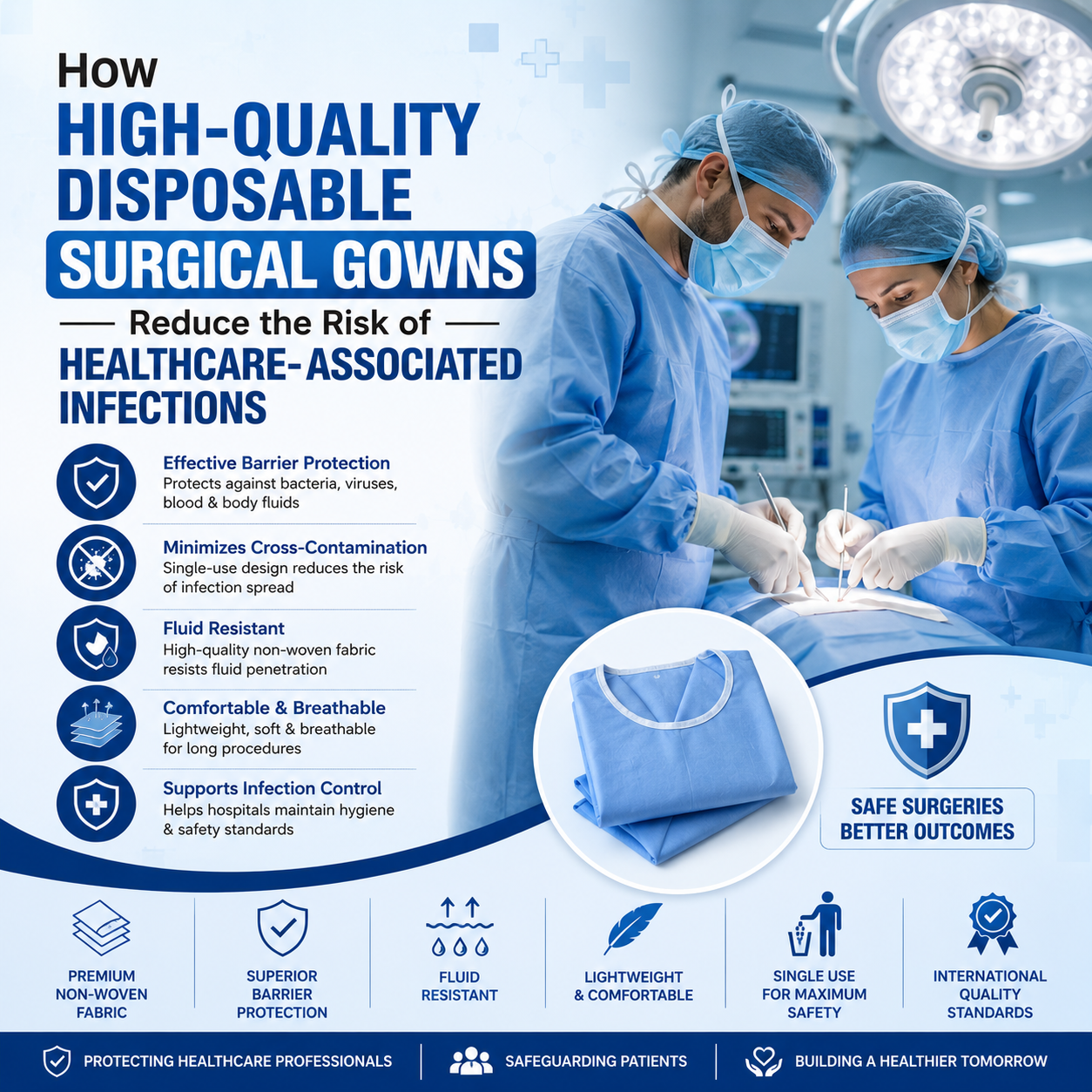
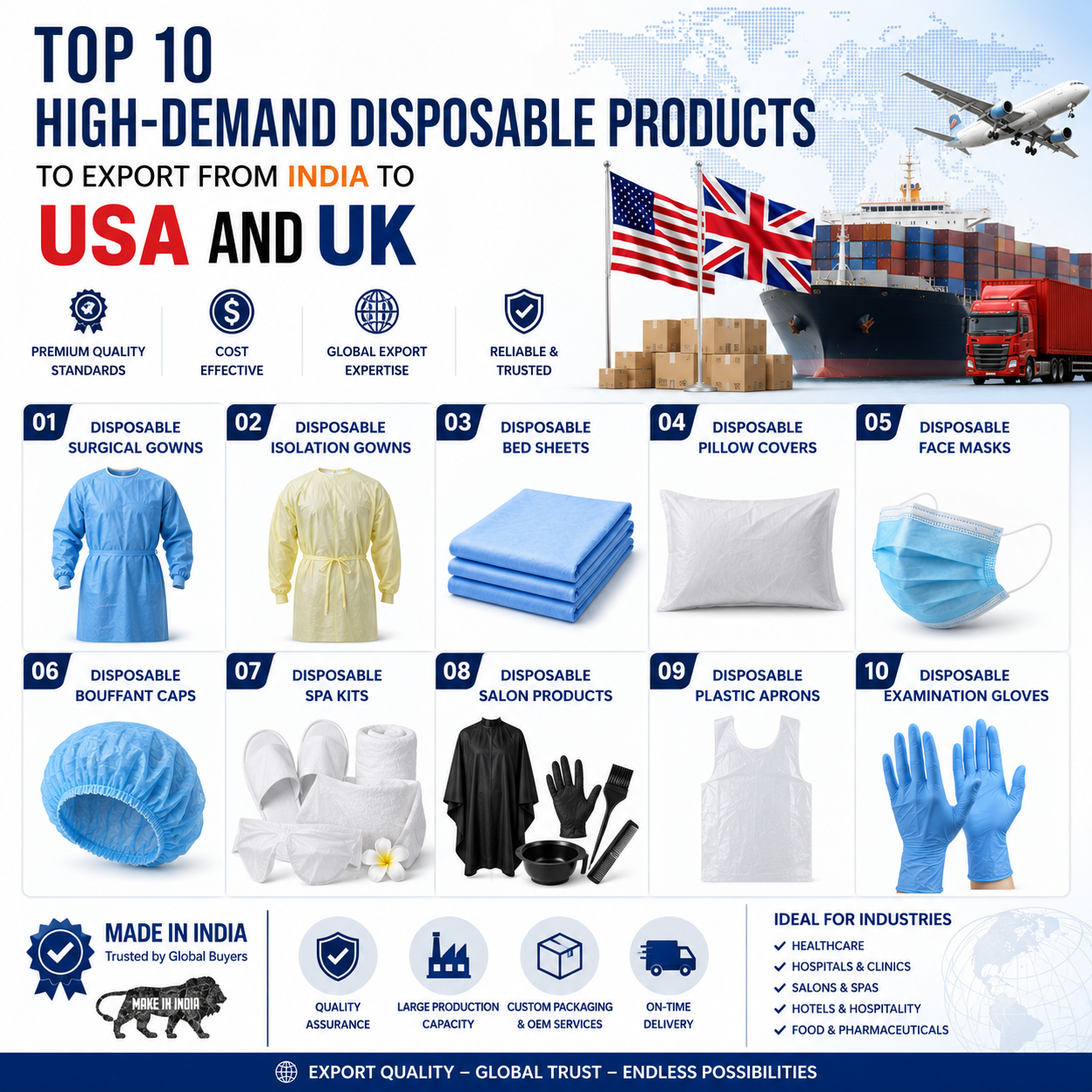
- Medical Disposable Products
- Beauty & Salon Products
- Home Organization Products
- Kitchen Accessories
- Pet Products
- Packaging Supplies
- Fitness Accessories
- Eco-Friendly Products
- Home Décor
- Consumer Electronics Accessories
Step 2: Research the Market
Successful sourcing starts with thorough market research.
Evaluate:
- Product demand
- Competitor pricing
- Customer reviews
- Industry trends
- Import duties
- Target market regulations
Market research helps you avoid products with limited demand or excessive competition.
Step 3: Verify Suppliers Carefully
Never select a supplier based solely on price.
Verify:
- Manufacturing experience
- Business licenses
- Export history
- Factory capabilities
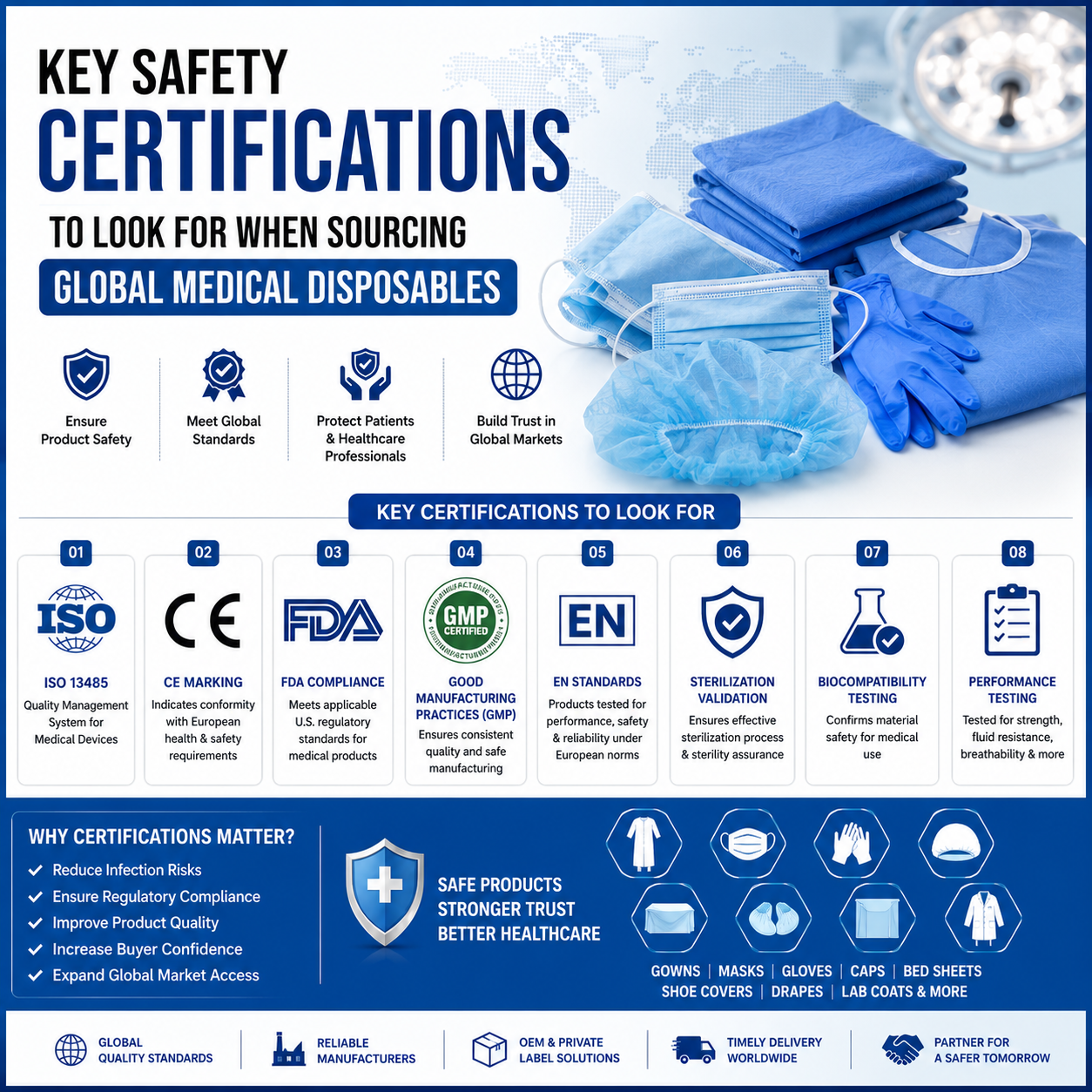
- Product certifications
- Customer references
- Quality management systems
Reliable suppliers reduce the risk of quality issues and delayed shipments.
Step 4: Request Product Samples
Always evaluate samples before placing bulk orders.
Inspect:
- Product quality
- Material
- Durability
- Packaging
- Dimensions
- Functionality
- Finish
Testing samples helps confirm that products meet your expectations.
Step 5: Visit Wholesale Markets or Trade Fairs
Meeting suppliers in person offers several advantages.
Benefits include:
- Factory discussions
- Product inspection
- Price negotiation
- Supplier comparison
- Business relationship building
- Product demonstrations
Trade fairs and wholesale markets allow buyers to compare hundreds of suppliers within a short time.
Step 6: Compare Multiple Suppliers
Instead of choosing the first supplier, compare several manufacturers.
Review:
- Pricing
- MOQ requirements
- Lead time
- Production capacity
- Certifications
- Export experience
- Communication quality
Competitive comparison often leads to better sourcing decisions.
Step 7: Negotiate Pricing
Professional negotiation can improve profit margins.
Discuss:
- Bulk discounts
- Payment terms
- Packaging
- OEM manufacturing
- Private label options
- Shipping arrangements
Strong relationships often lead to better pricing over time.
Step 8: Understand Product Certifications
Depending on your target market, products may need to meet specific quality and safety requirements.
Examples include:
- Product quality certifications
- Material testing
- Industry-specific standards
- Packaging compliance
- Labeling requirements
Always verify the applicable regulations for your destination country and product category.
Step 9: Arrange Product Inspection
Third-party inspections can help verify product quality before shipment.
Inspection services typically review:
- Quantity
- Product quality
- Packaging
- Labeling
- Functionality
- Shipping readiness
Pre-shipment inspections reduce costly mistakes.
Step 10: Choose the Right Shipping Method
Common shipping options include:
Sea Freight
Best for:
- Bulk orders
- Heavy cargo
- Lower transportation costs
Air Freight
Ideal for:
- Urgent shipments
- Lightweight products
- High-value goods
Choose the shipping method based on cost, urgency, and product type.
Step 11: Prepare Import Documentation
Proper documentation ensures smooth customs clearance.
Common documents include:
- Commercial Invoice
- Packing List
- Bill of Lading
- Air Waybill
- Certificate of Origin
- Insurance Documents
- Purchase Order
Maintaining accurate paperwork reduces delays and compliance issues.
Common Mistakes to Avoid
Many new importers make avoidable sourcing mistakes.
Avoid:
- Choosing the cheapest supplier without verification
- Skipping product samples
- Ignoring quality inspections
- Poor communication
- Missing documentation
- Not understanding import regulations
- Ordering large quantities without testing the market
Careful planning helps prevent costly errors.
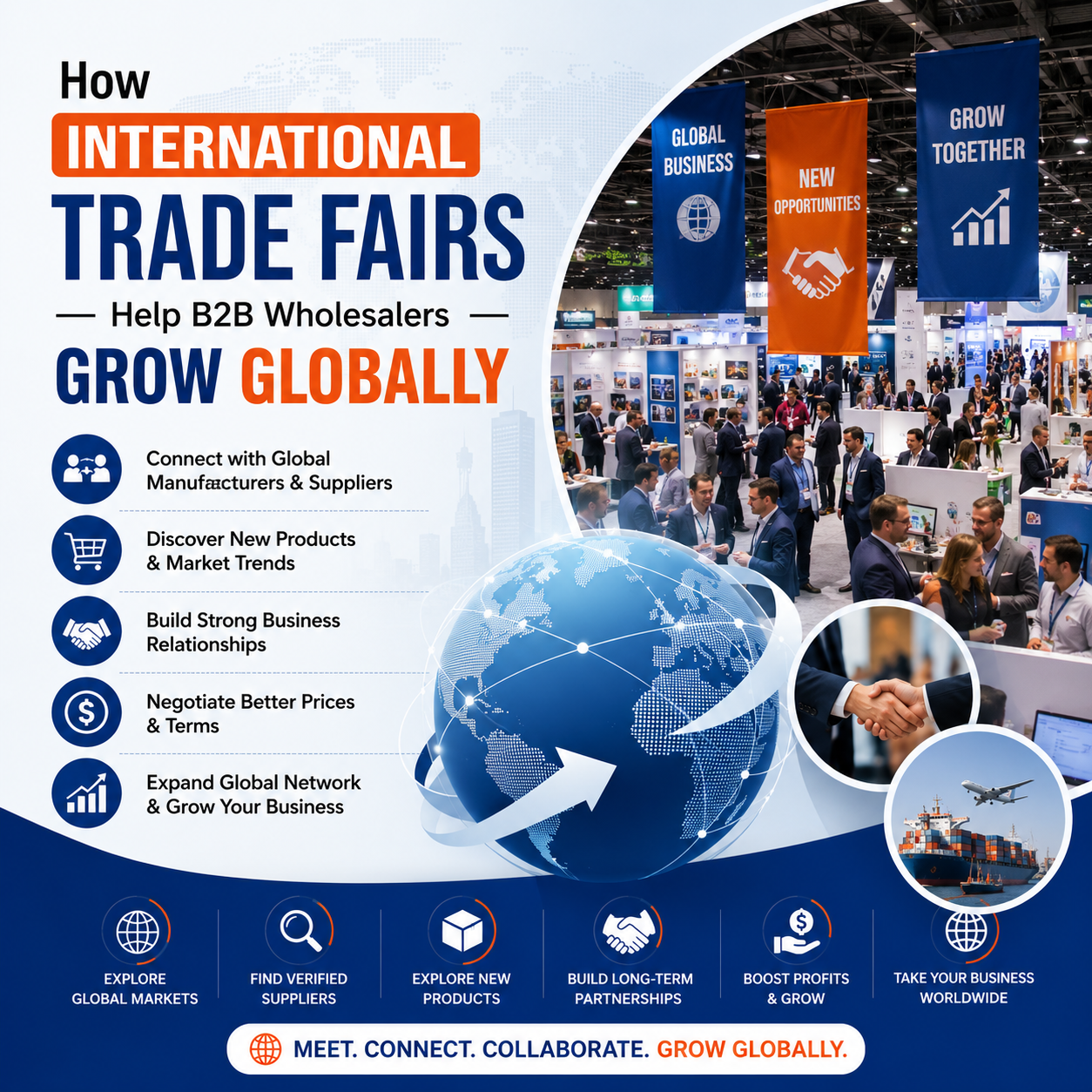
Why International Trade Fairs Help Buyers Source Better
Trade fairs offer direct access to manufacturers and industry experts.
Advantages include:
- Verified suppliers
- New product discovery
- Product comparisons
- Better negotiations
- Industry networking
- OEM opportunities
- Private label solutions
Attending international exhibitions helps buyers make informed sourcing decisions.
Benefits of Direct Sourcing
Businesses that source directly from China often benefit from:
- Higher profit margins
- Lower procurement costs
- Factory-direct pricing
- Product customization
- Strong supplier relationships
- Better quality control
- Greater product variety
- Long-term business growth
Industries That Benefit Most
Direct sourcing supports businesses across:
- Healthcare
- Medical Disposables
- Consumer Goods
- Electronics
- Beauty & Salon
- Packaging
- Home Décor
- Kitchenware
- Industrial Products
- Hospitality
Frequently Asked Questions (FAQs)
Is sourcing directly from China safe?
Yes. With proper supplier verification, product inspections, and due diligence, sourcing directly from China can be safe and highly profitable.
Which wholesale market is best for beginners?
Yiwu International Trade Market is often recommended for first-time buyers because of its wide product range and relatively flexible order quantities.
Can I buy directly from manufacturers?
Yes. Many Chinese manufacturers work directly with international buyers, wholesalers, distributors, and brand owners.
Should I visit China before importing?
Visiting wholesale markets or international trade fairs allows buyers to inspect products, compare suppliers, negotiate pricing, and build stronger business relationships.
How can I increase profit margins?
Choose products with strong demand, source directly from verified manufacturers, negotiate competitive pricing, maintain quality standards, and optimize shipping costs.
Conclusion
Sourcing high-margin products directly from China wholesale markets offers tremendous opportunities for importers, wholesalers, retailers, and entrepreneurs. By selecting the right products, verifying suppliers, inspecting quality, understanding import regulations, and building long-term relationships with trusted manufacturers, businesses can reduce sourcing risks while improving profitability.
Whether you are sourcing from Yiwu, Guangzhou, Shenzhen, or attending the Canton Fair, a strategic sourcing approach will help you secure reliable suppliers, competitive pricing, and sustainable growth in international trade.