
International trade has become one of the fastest-growing business opportunities worldwide. Whether you’re an entrepreneur, manufacturer, trader, wholesaler, startup, or MSME owner, starting an import-export business can help you expand beyond local markets and build a profitable global business.
With digital marketplaces, government support, and international trade fairs, entering global markets has become easier than ever. This complete guide explains everything you need to know about starting an import-export business successfully.
What is an Import-Export Business?
An import-export business involves buying products from one country and selling them in another country.
- Import: Purchasing goods from overseas suppliers into your country.
- Export: Selling products manufactured or sourced in your country to international buyers.
Examples include:
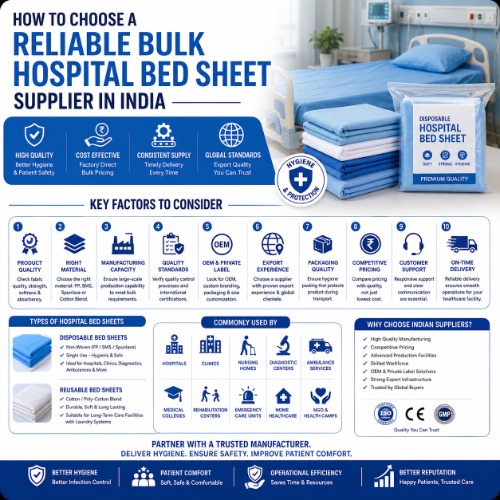
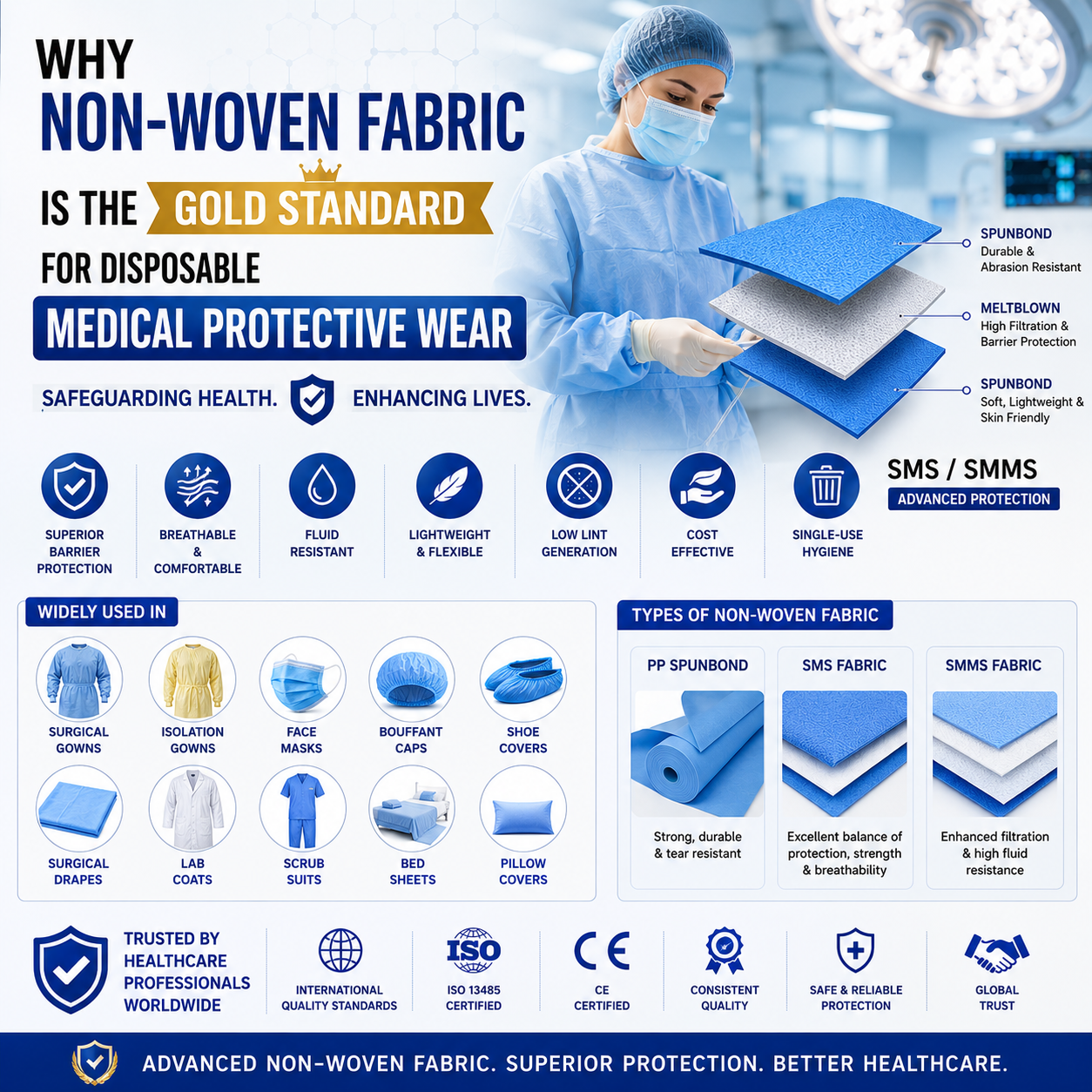
- Medical Disposable Products
- Textile Products
- Agricultural Products
- Food Products
- Engineering Goods
- Chemicals
- Beauty & Spa Products
- Electronics
- Handicrafts
- Industrial Machinery
Why Start an Import-Export Business?
The global trade industry offers tremendous opportunities for businesses of every size.
Benefits of Import-Export Business
- Access to global customers
- Higher profit margins
- Foreign currency earnings
- Business diversification
- Government export incentives
- Scalable business model
- Strong international brand presence
- Long-term growth opportunities
Step 1: Decide Your Business Model
Before starting, determine how you want to operate.
Popular business models include:
Manufacturer Exporter
Manufacture products and export them globally.
Merchant Exporter
Purchase products from manufacturers and export them.
Import Trader
Import products for domestic distribution.
Export House
Handle exports for multiple manufacturers.
Third-Party Export
Export under another manufacturer’s license.
Step 2: Choose the Right Product
Product selection is the foundation of a successful import-export business.
Consider:
- International demand
- Market competition
- Profit margins
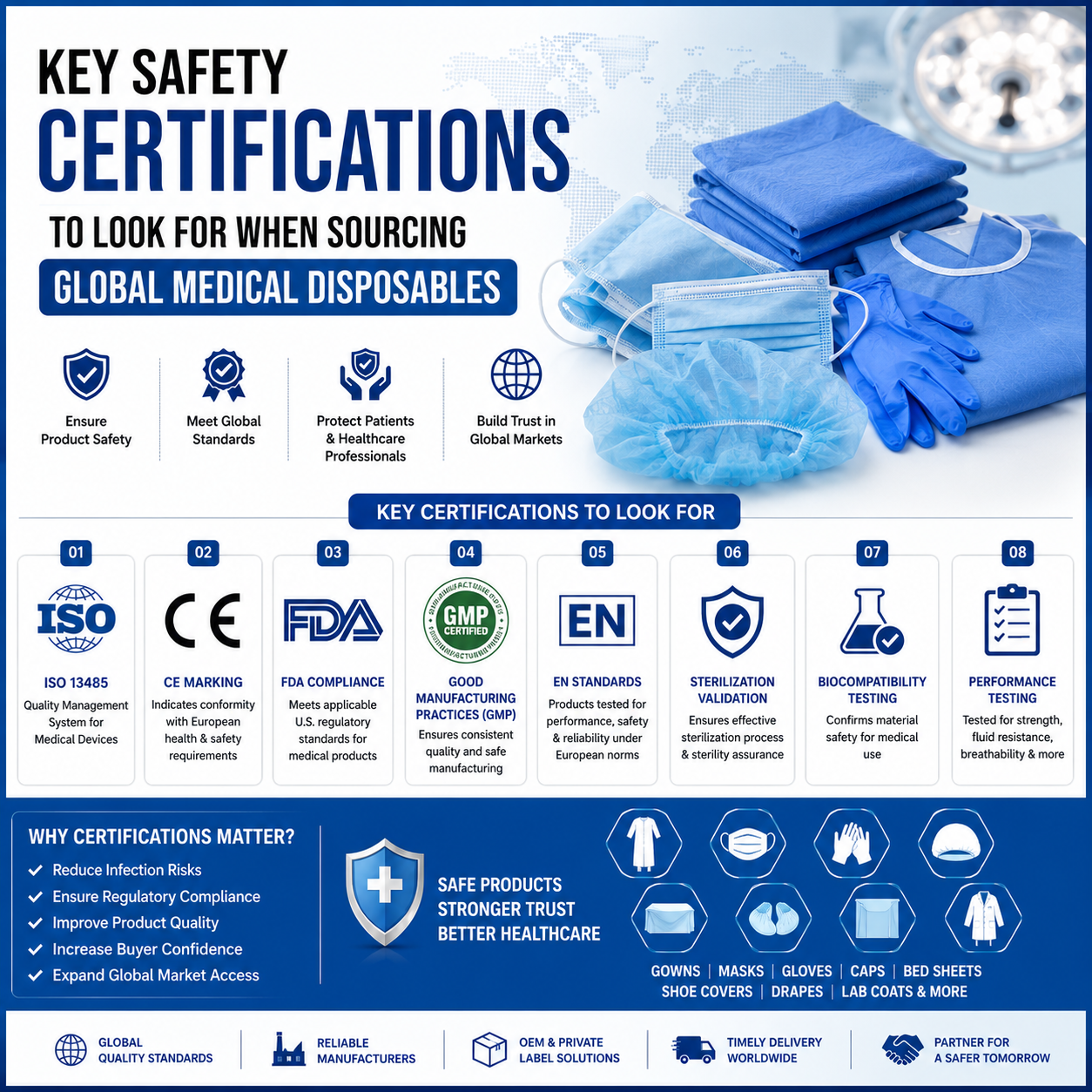
- Product certifications
- Shipping costs
- Import regulations
- Product shelf life
- Export restrictions
Popular export categories include:
- Medical Disposable Products
- Surgical Consumables
- Agricultural Products
- Spices
- Organic Foods
- Apparel
- Leather Goods
- Engineering Products
- Packaging Materials
- Home Décor
Step 3: Identify Target Countries
Market research is essential before entering international markets.
Evaluate:
- Product demand
- Import duties
- Buyer preferences
- Competition
- Trade agreements
- Currency stability
- Shipping accessibility
Popular export destinations include:
- USA
- Canada
- United Kingdom
- Germany
- France
- Italy
- UAE
- Saudi Arabia
- Australia
- South Africa
- Singapore
- Malaysia
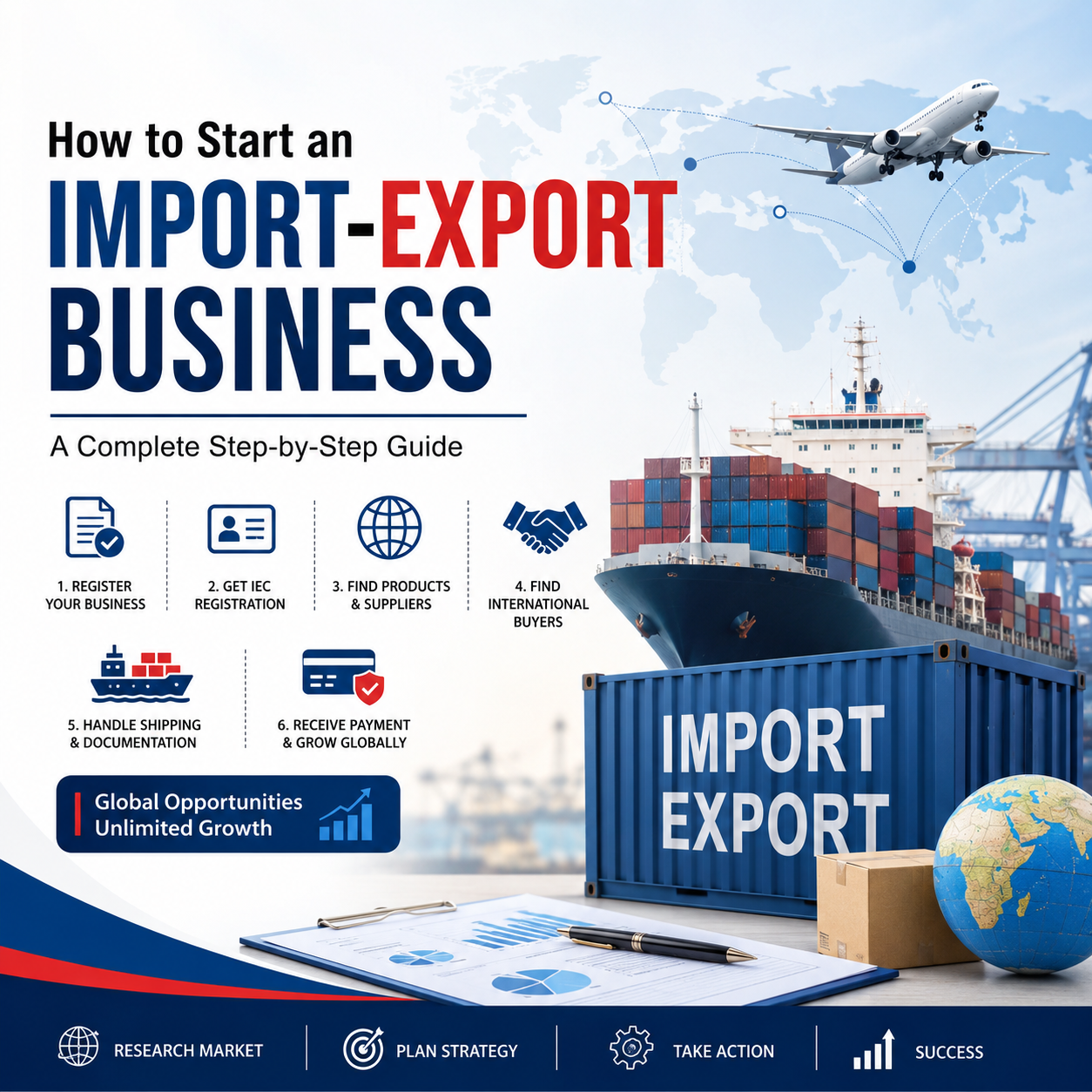
Step 4: Register Your Business
A legally registered business builds trust with international buyers.
Business structures include:
- Sole Proprietorship
- Partnership Firm
- LLP
- Private Limited Company
- One Person Company
Step 5: Obtain Import Export Code (IEC)
An Import Export Code (IEC) is mandatory for businesses involved in international trade.
The IEC is issued by the Directorate General of Foreign Trade (DGFT) and serves as your primary identification for import and export activities.
Step 6: Open a Current Bank Account
A business current account is essential for receiving international payments.
Benefits include:
- Foreign currency transactions
- International wire transfers
- Export documentation support
- Better financial management
Step 7: Complete GST Registration
GST registration may be required depending on your business structure and turnover.
Exporters can also benefit from GST-related provisions available under Indian tax regulations.
Step 8: Understand International Trade Documentation
Accurate documentation ensures smooth customs clearance and payment processing.
Important documents include:
- Commercial Invoice
- Packing List
- Bill of Lading
- Airway Bill
- Certificate of Origin
- Insurance Certificate
- Purchase Order
- Export License (if applicable)
- Inspection Certificate
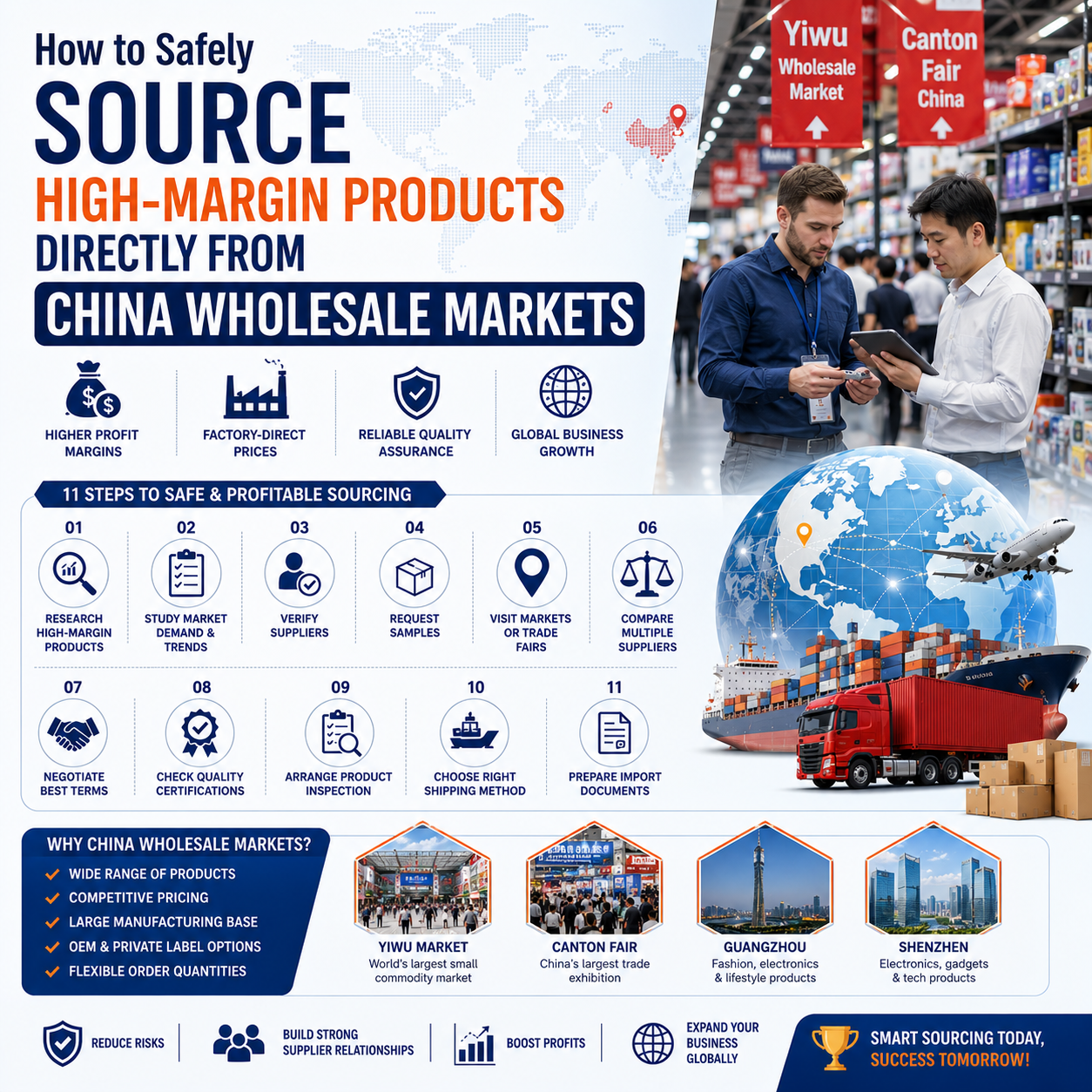
Step 9: Find Reliable Suppliers or Manufacturers
Choose suppliers with:
- Quality certifications
- Export experience
- Production capacity
- Timely delivery
- Competitive pricing
- International quality standards
Always verify:
- Factory credentials
- Product quality
- Sample approvals
- Certifications
- Business licenses
Step 10: Find International Buyers
Finding buyers is the most important part of growing your export business.
Effective methods include:
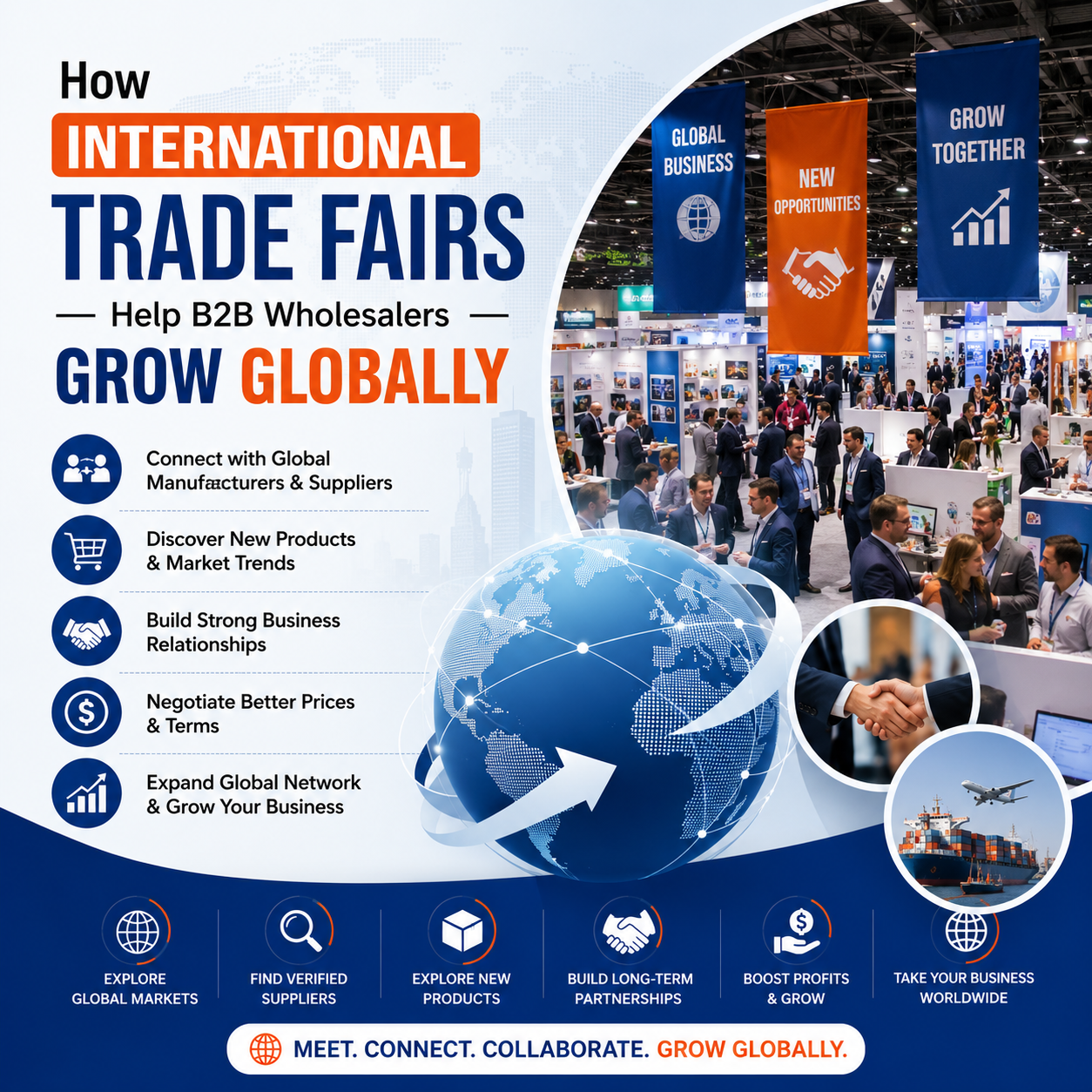
International Trade Fairs
Participating in international trade exhibitions helps connect directly with global buyers.
Popular trade fairs include:
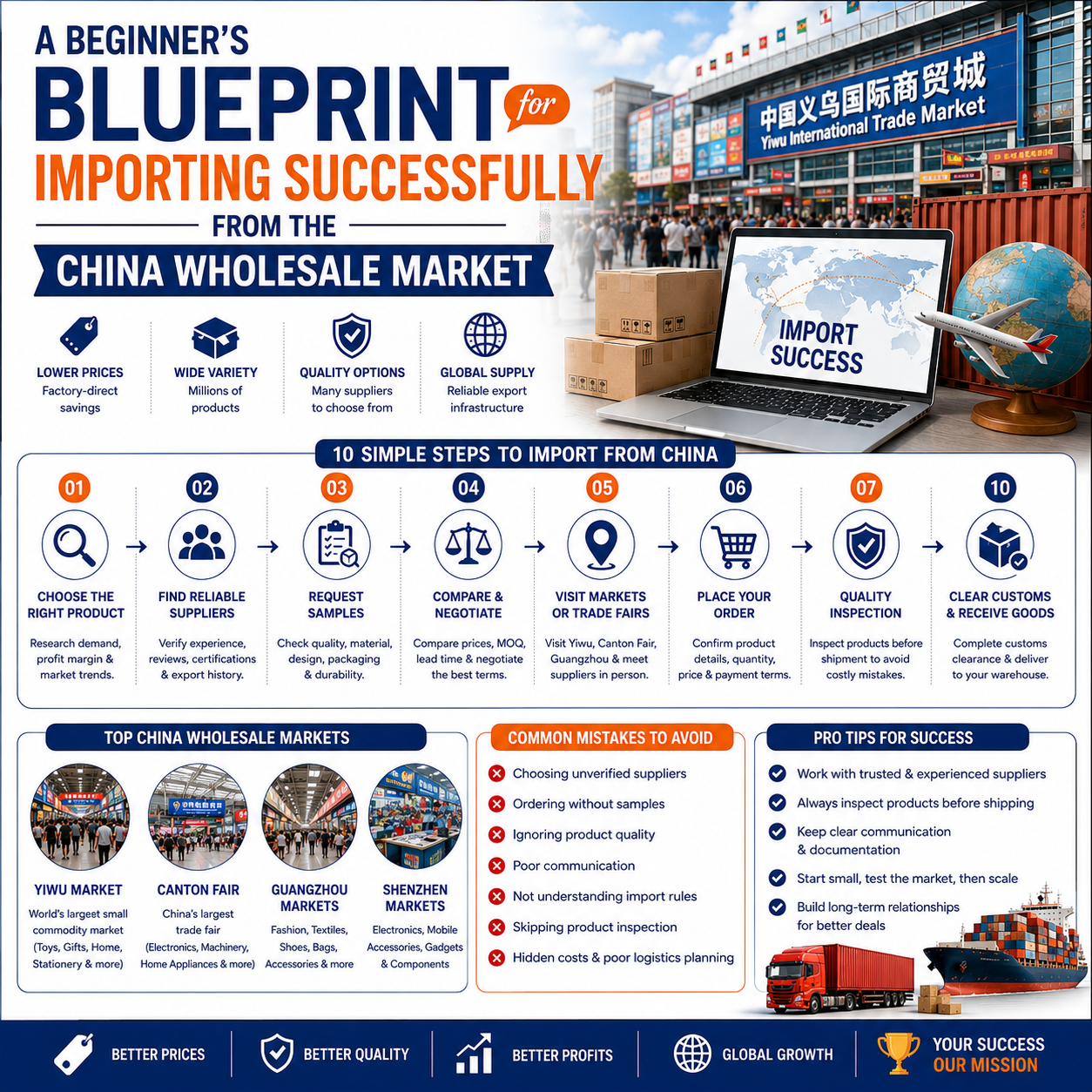
- Canton Fair
- Yiwu Market
- Gulfood Dubai
- MEDICA Germany
- Arab Health
B2B Marketplaces
Register your company on trusted global B2B platforms.
Export Promotion Councils
Join industry-specific export councils for networking and buyer connections.
LinkedIn Networking
Connect with importers, distributors, wholesalers, and procurement managers worldwide.
Company Website
Create an SEO-optimized website showcasing your products, certifications, and export capabilities.
Step 11: Learn International Shipping
Shipping methods include:
Air Freight
Ideal for:
- Urgent shipments
- Lightweight products
- High-value goods
Sea Freight
Best for:
- Bulk orders
- Heavy cargo
- Lower transportation costs
Step 12: Understand International Payment Methods
Common payment methods include:
- Advance Payment
- Letter of Credit (LC)
- Documents Against Payment (D/P)
- Documents Against Acceptance (D/A)
- Open Account
- Telegraphic Transfer (TT)
Choose secure payment terms based on buyer credibility.
Step 13: Understand Incoterms
Incoterms define responsibilities between buyers and sellers.
Common Incoterms include:
- EXW
- FOB
- CIF
- CFR
- DDP
- DAP
- FCA
Understanding these terms helps avoid disputes and unexpected costs.
Step 14: Build Your Brand
International buyers prefer trusted brands.
Focus on:
- Professional website
- Product catalog
- Company profile
- Social media presence
- High-quality product photography
- Packaging
- Certifications
- Customer reviews
Step 15: Promote Your Business Globally
Digital marketing plays a significant role in attracting overseas buyers.
Marketing strategies include:
- SEO
- Google Business Profile
- LinkedIn Marketing
- Email Marketing
- Content Marketing
- Trade Directories
- Video Marketing
- International Exhibitions
Common Challenges in Import-Export Business
New businesses often face:
- Finding genuine buyers
- Product compliance
- Customs procedures
- Payment security
- Logistics management
- Documentation errors
- Currency fluctuations
- Market competition
Proper planning and continuous learning help overcome these challenges.
Skills Required for Success
Successful exporters develop:
- Negotiation skills
- Communication skills
- International marketing knowledge
- Product sourcing expertise
- Documentation management
- Market research capabilities
- Business networking
- Financial planning
Tips for New Import-Export Entrepreneurs
- Start with one product category.
- Research international demand thoroughly.
- Build relationships with buyers.
- Visit international trade fairs.
- Focus on product quality.
- Learn export documentation.
- Understand customs regulations.
- Use secure payment methods.
- Build a professional online presence.
- Stay updated with global market trends.
Why International Trade Fairs Matter
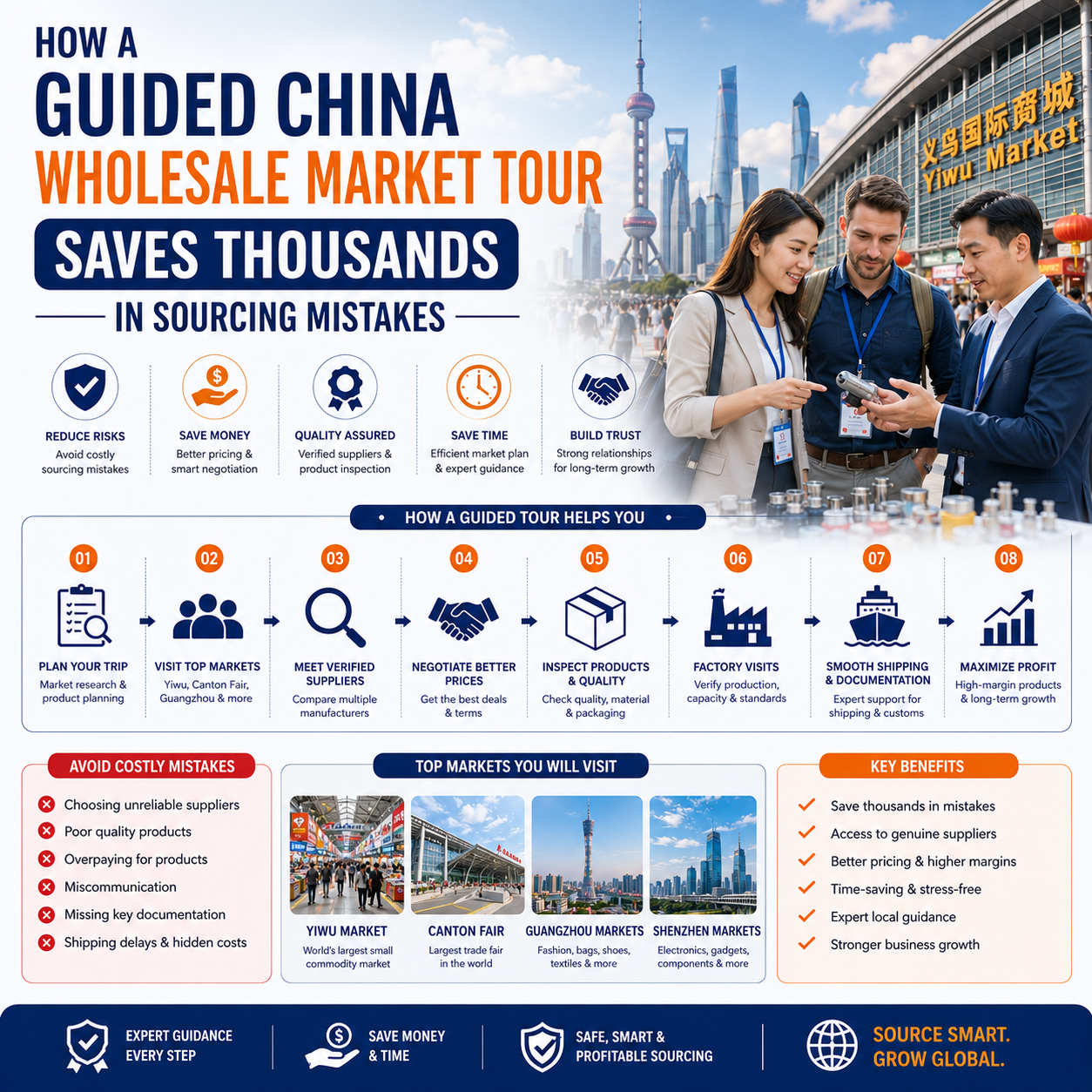
Trade fairs provide direct access to manufacturers, suppliers, wholesalers, and buyers from around the world.
Attending global exhibitions helps you:
- Discover new products
- Compare suppliers
- Build international partnerships
- Learn market trends
- Understand pricing
- Expand your business network
- Increase export opportunities
For many entrepreneurs, trade fairs are the fastest route to launching and scaling an import-export business.
Frequently Asked Questions (FAQs)
Is an Import Export Code (IEC) mandatory?
Yes. Businesses involved in importing or exporting goods generally require an IEC for international trade activities.
Can I start an import-export business with low investment?
Yes. Merchant exporting, product sourcing, and third-party exporting can often be started with relatively low capital.
Which products are best for export from India?
Popular export products include pharmaceuticals, medical disposables, textiles, spices, engineering goods, agricultural products, beauty products, handicrafts, and food items.
How can I find international buyers?
You can find buyers through trade fairs, B2B marketplaces, export promotion councils, LinkedIn, referrals, and your own SEO-optimized website.
Is the import-export business profitable?
Yes. With proper market research, quality products, reliable suppliers, and effective marketing, the import-export business can generate significant long-term profits.
Final Thoughts
Starting an import-export business offers immense opportunities for entrepreneurs looking to enter global markets. By choosing the right products, completing the necessary registrations, understanding trade regulations, and building strong relationships with international buyers, you can create a sustainable and profitable business.
Success in international trade comes from continuous learning, strategic planning, and staying informed about global market trends. Participating in international trade fairs, building a strong digital presence, and maintaining high product quality will further strengthen your position in the global marketplace.
Whether you are a startup, manufacturer, trader, or exporter, now is an excellent time to begin your import-export journey and connect with customers worldwide.